
Soyuz 2.1a | Obzor-R No.1
Russian Federal Space Agency (ROSCOSMOS)
Mission Status
The launch vehicle successfully inserted its payload(s) into the target orbit(s).
Mission Updates
Launch success.
Source →Liftoff.
Source →Tweaked T-0.
Source →Apparently scrubbed for the day due to launch site strong winds; next attempt tomorrow.
Source →NET December 24.
Source →Rescheduled for NET December 23 per NOTAMs.
Source →Reverted back to NET 2025 TBD with cancellation of NOTAMs and marine navigation warnings.
Source →NET December 11 per NOTAMs; Assignment of payloads to this launch is uncertain.
Source →NET summer-fall 2025.
Source →NET Q1 2025.
Source →NET Q4 2024.
Source →NET Q2 2024.
Source →NET Q1 2024.
Source →NET Late 2023.
Source →Mission Details
The Russian Obzor-R satellite is a planned X-band radar earth observation satellite designed by TsSKB-Progress. In 2012, the development of the Arkon-2M radar satellite was stopped and instead the development of the Obzor-R was initiated. The satellite features the BRLK X-band Synthetic Aperture Radar as the imaging instrument with a ground resolution of 500 m.
Rocket Configuration
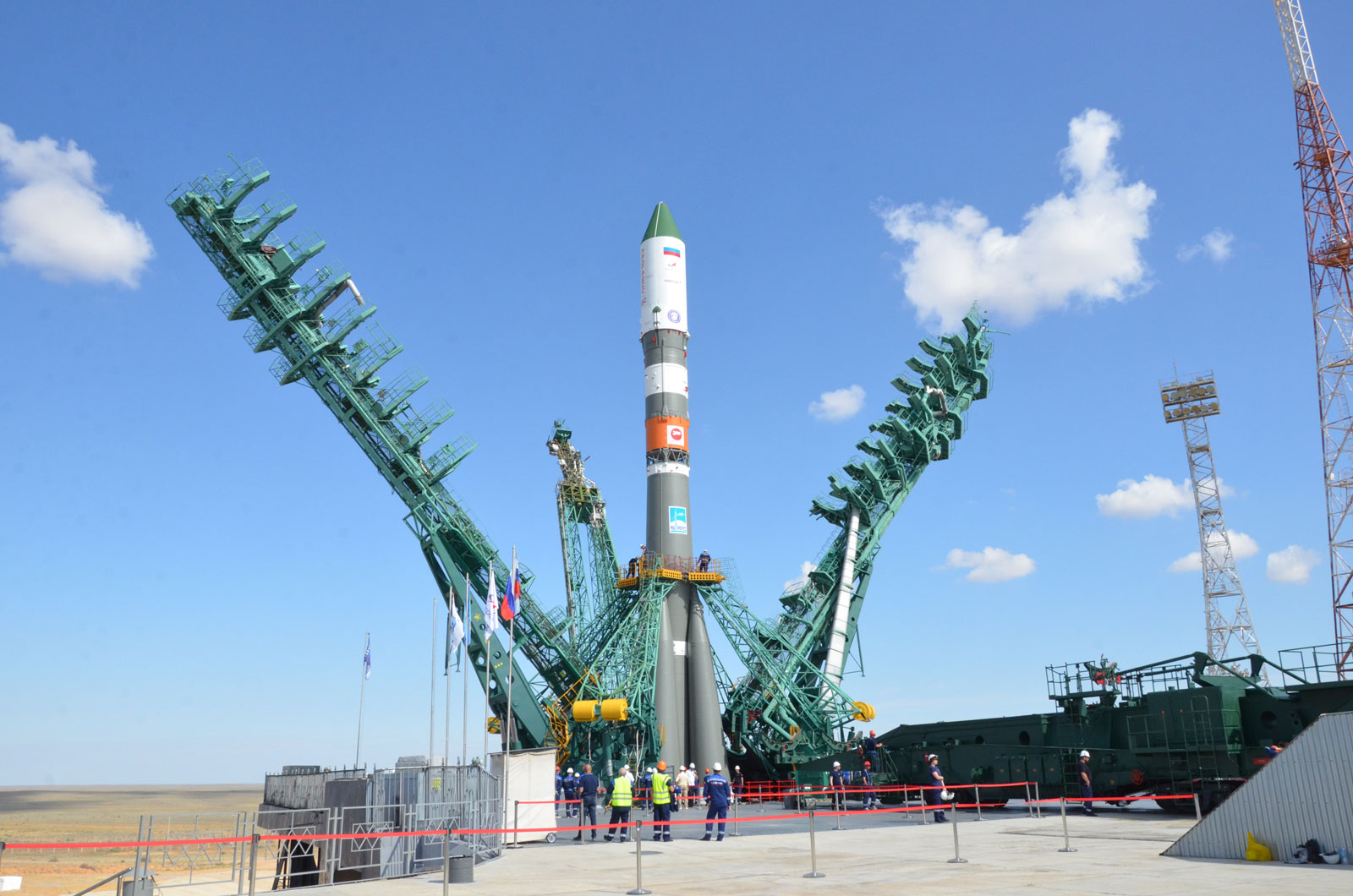
The Soyuz 2.1A converted the flight control system from analog to digital, which allowed launch from fixed platforms. It also allowed big fairings and payloads. It is currently used for crewed Soyuz and Progress flights to the ISS.