
US EVA-100/101 Preview News Conference
Press Event
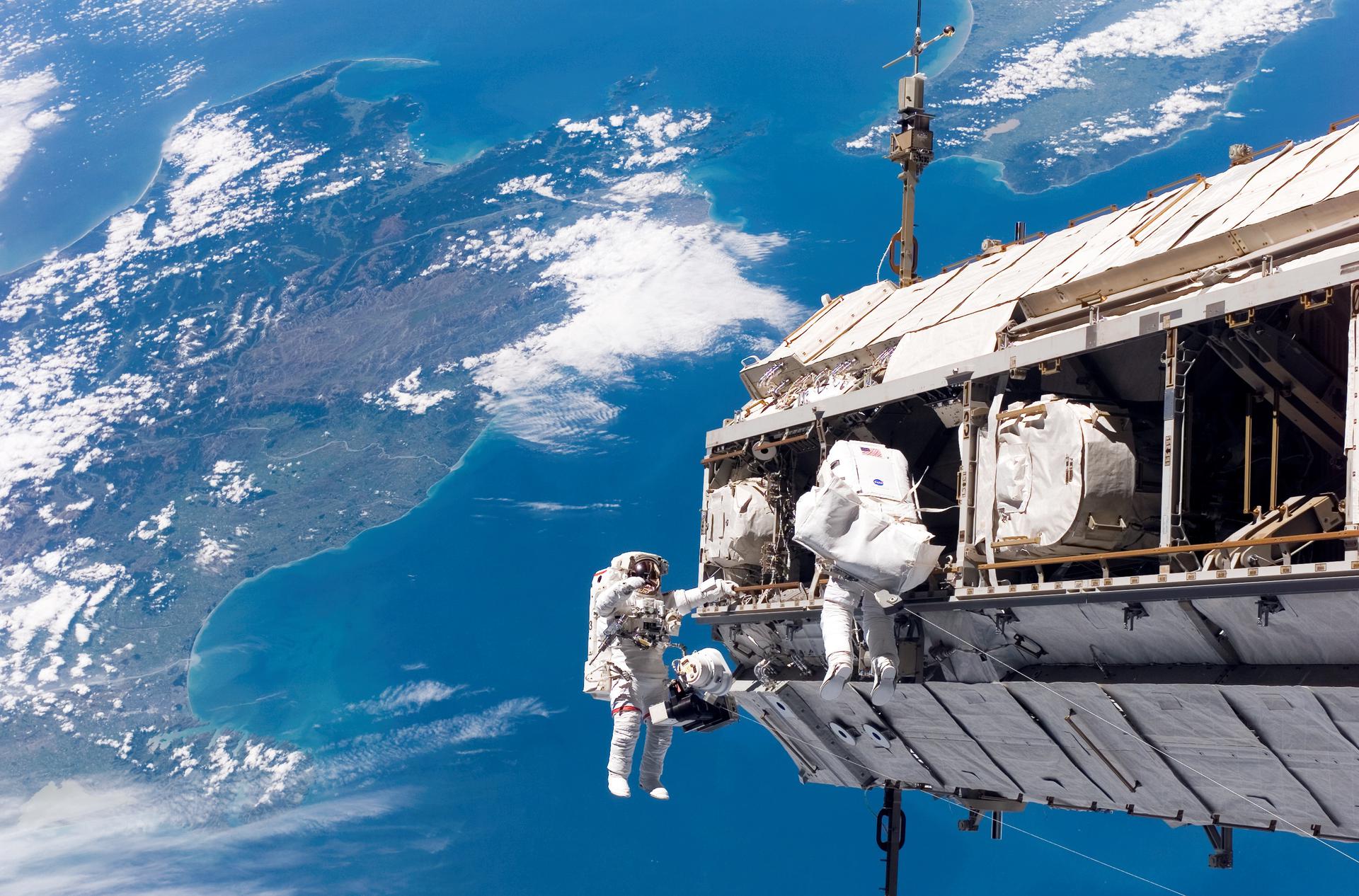
NASA will preview two upcoming spacewalks to complete solar array installation and power augmentation of the International Space Station during a news conference at 2 p.m. EDT, Tuesday, Oct. 20, from NASA’s Johnson Space Center in Houston. NASA participants include: - Gaurang Patel, operations integration manager, Low Earth Orbit Program - Garrett Hehn, spacewalk flight director, Flight Operations Directorate
Artemis Acceleration Press Conference
Press Event
Participants include: - NASA Administrator Jared Isaacman - NASA Associate Administrator Amit Kshatriya - Jeremy Parsons, NASA’s Artemis program manager
US EVA-100
EVA
NASA astronaut Anil Menon and CSA astronaut Joshua Kutryk will exit the station’s Quest airlock to install and deploy an International Space Station Roll-Out Solar Array (IROSA) on the 2A electrical power channel. The solar array will be the seventh IROSA and will provide additional power to support critical station operations, including its safe and controlled deorbit.
RS-25 Engine Test
Static Fire
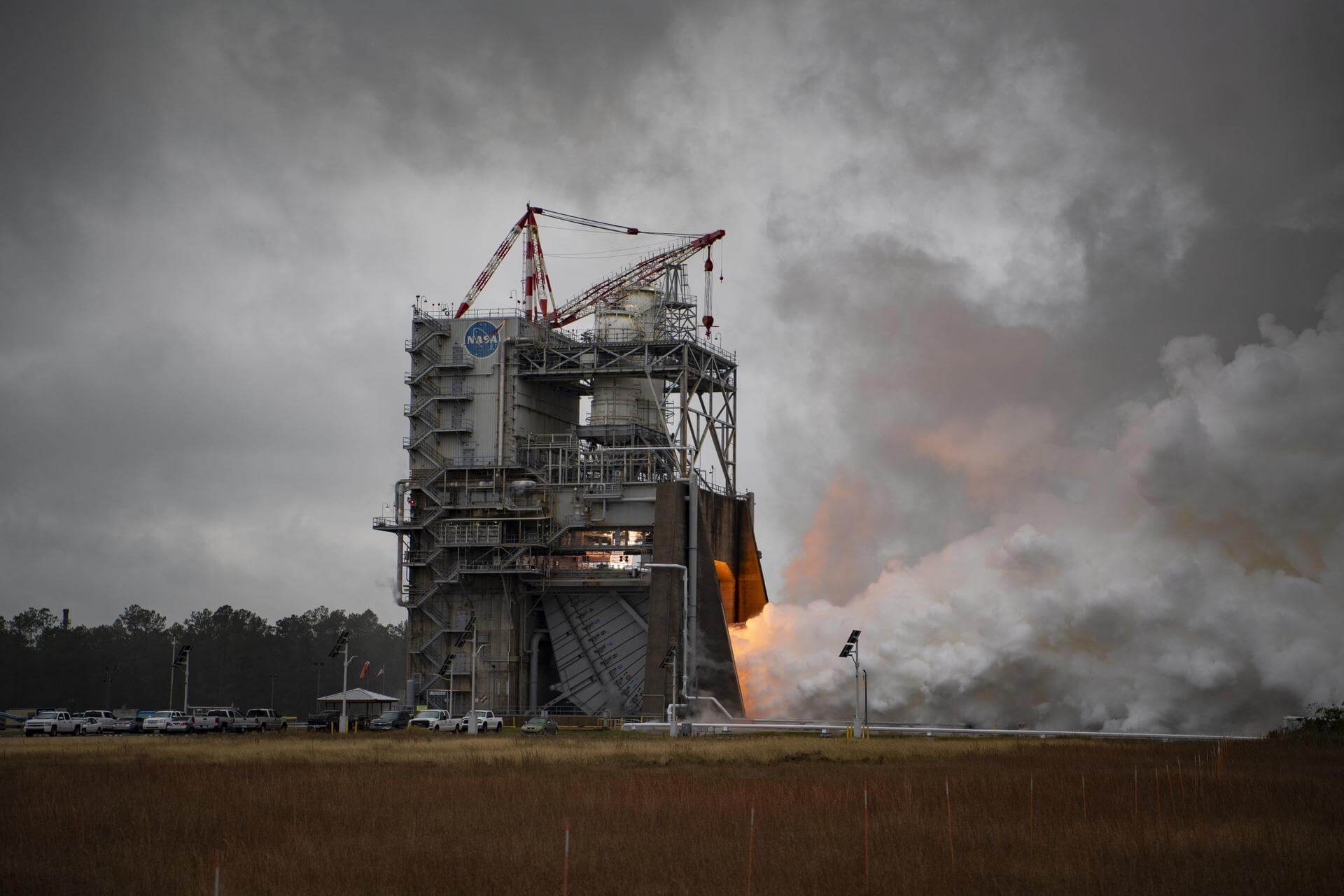
NASA is conducting a hot fire of an RS-25 engine as part of certification testing for future SLS (Space Launch System) rockets. The test of developmental RS-25 engine No. 10001 is planned to run for almost eight-and-a-half minutes (500 seconds) and throttle up to 111% of its rated power level.
US EVA-101
EVA
NASA astronaut Anil Menon and CSA astronaut Joshua Kutryk will install and deploy the eighth and final IROSA on the 3B channel of the space station, completing the power augmentation upgrades. The final two roll-out solar arrays will complete the space station’s power system augmentation. Together, the eight roll-out arrays will increase available power by up to 30%, boosting the station’s electric power generation capacity from 160 kilowatts to approximately 215 kilowatts.
BepiColombo Mercury Orbit Insertion
Orbital Insertion
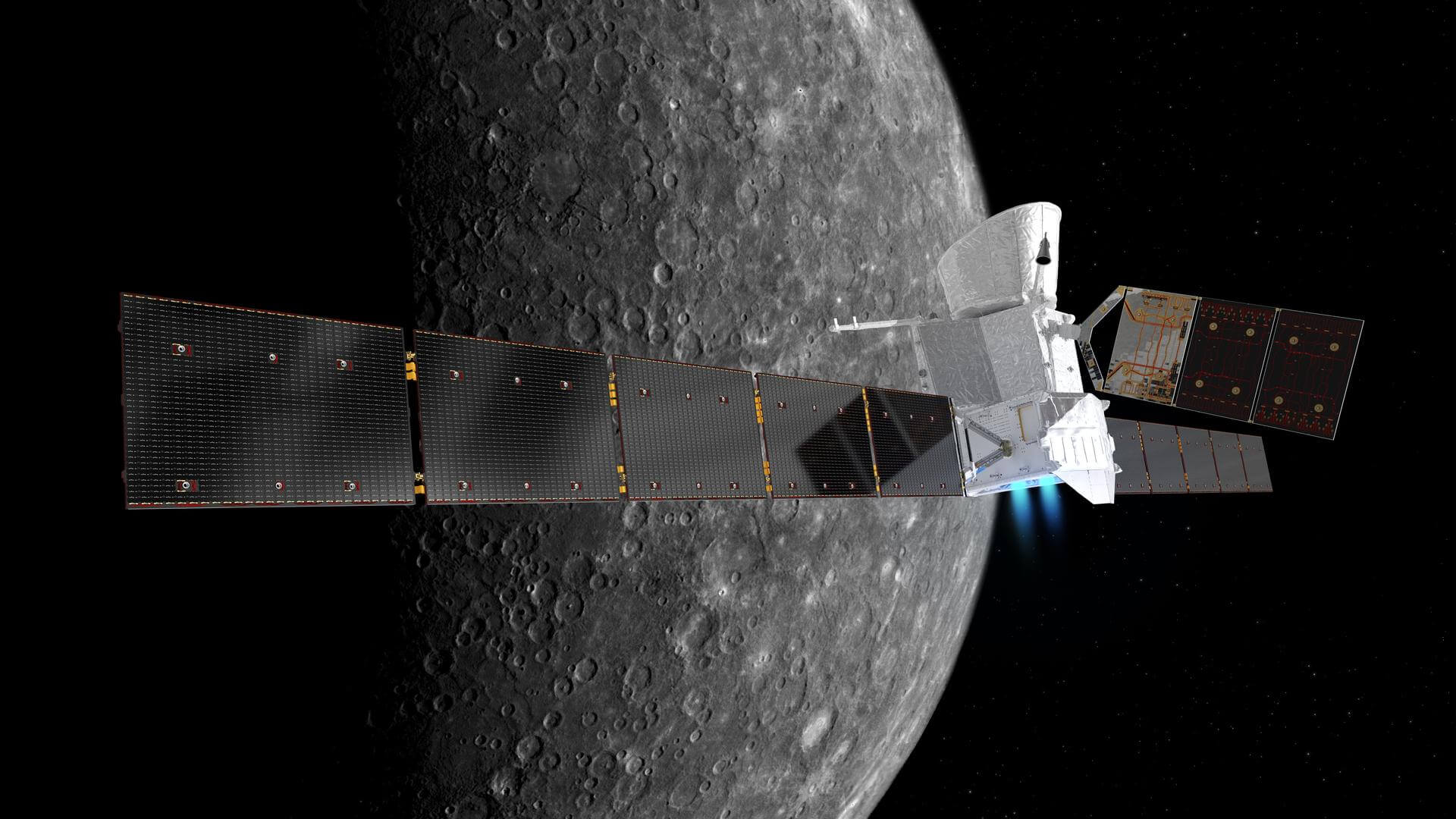
Orbital insertion around Mercury of the ESA-JAXA BepiColombo mission.
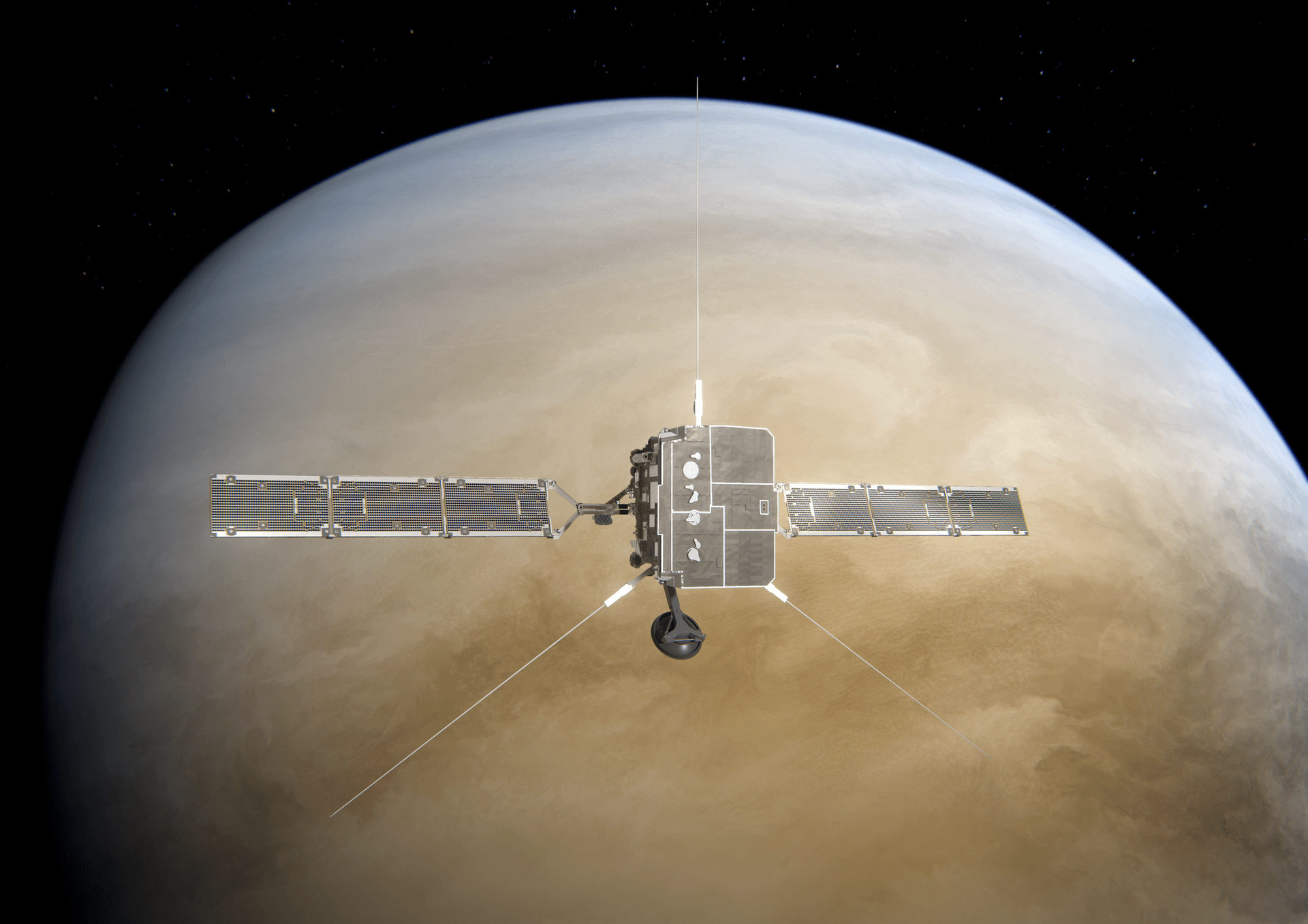
Solar Orbiter Venus Flyby
Flyby
Solar Orbiter, a partnership between ESA and NASA, will perform a gravity assist maneuver with Venus on December 24, 2026. Throughout its mission it also makes repeated gravity assist flybys of Venus to get closer to the Sun, and to change its orbital inclination, boosting it out of the ecliptic plane, to get the best – and first – views of the Sun’s poles.
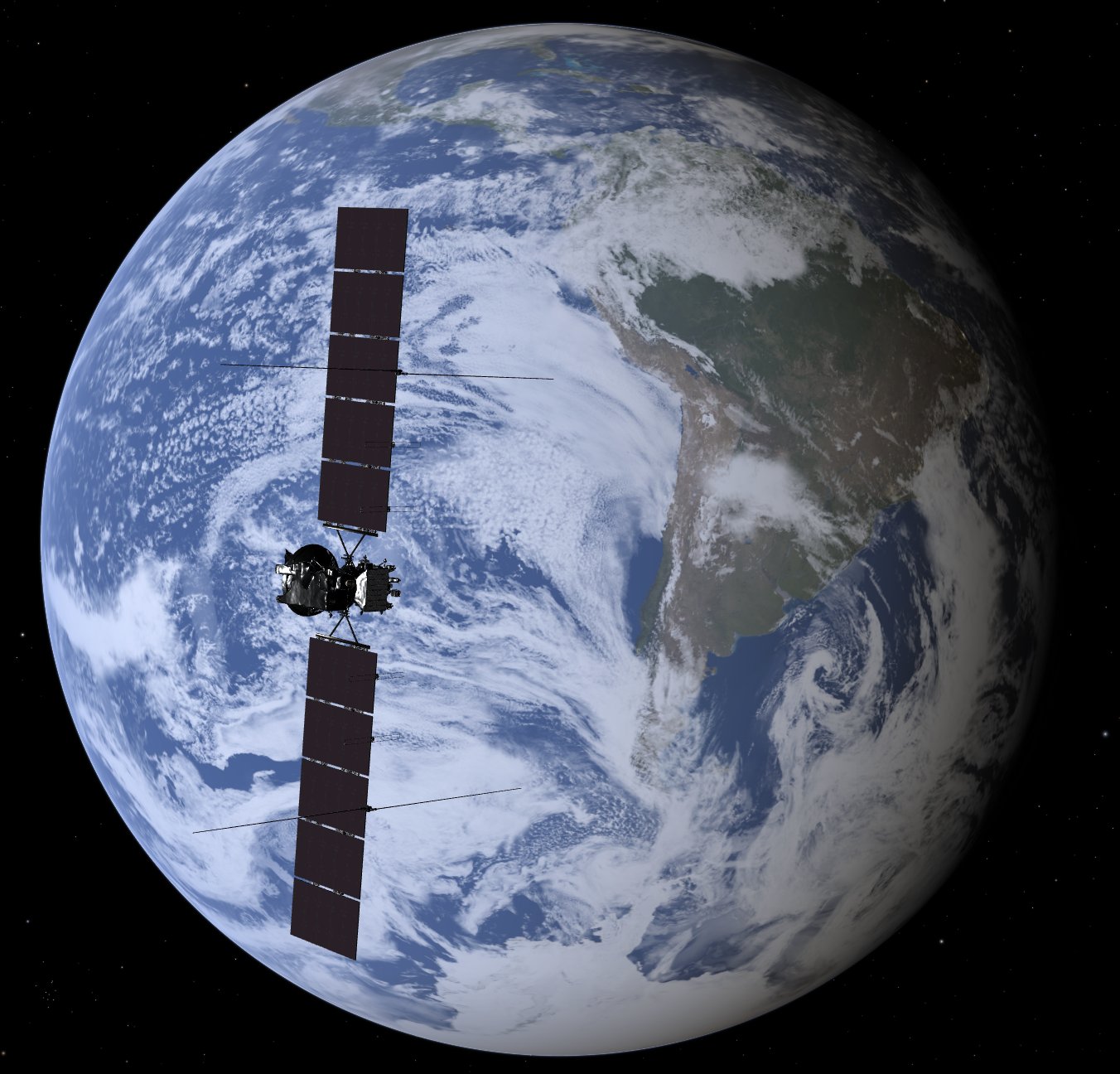
Europa Clipper Earth Flyby
Flyby
NASA’s Europa Clipper will fly by Earth for a second and final gravity assist on its way to Jupiter.
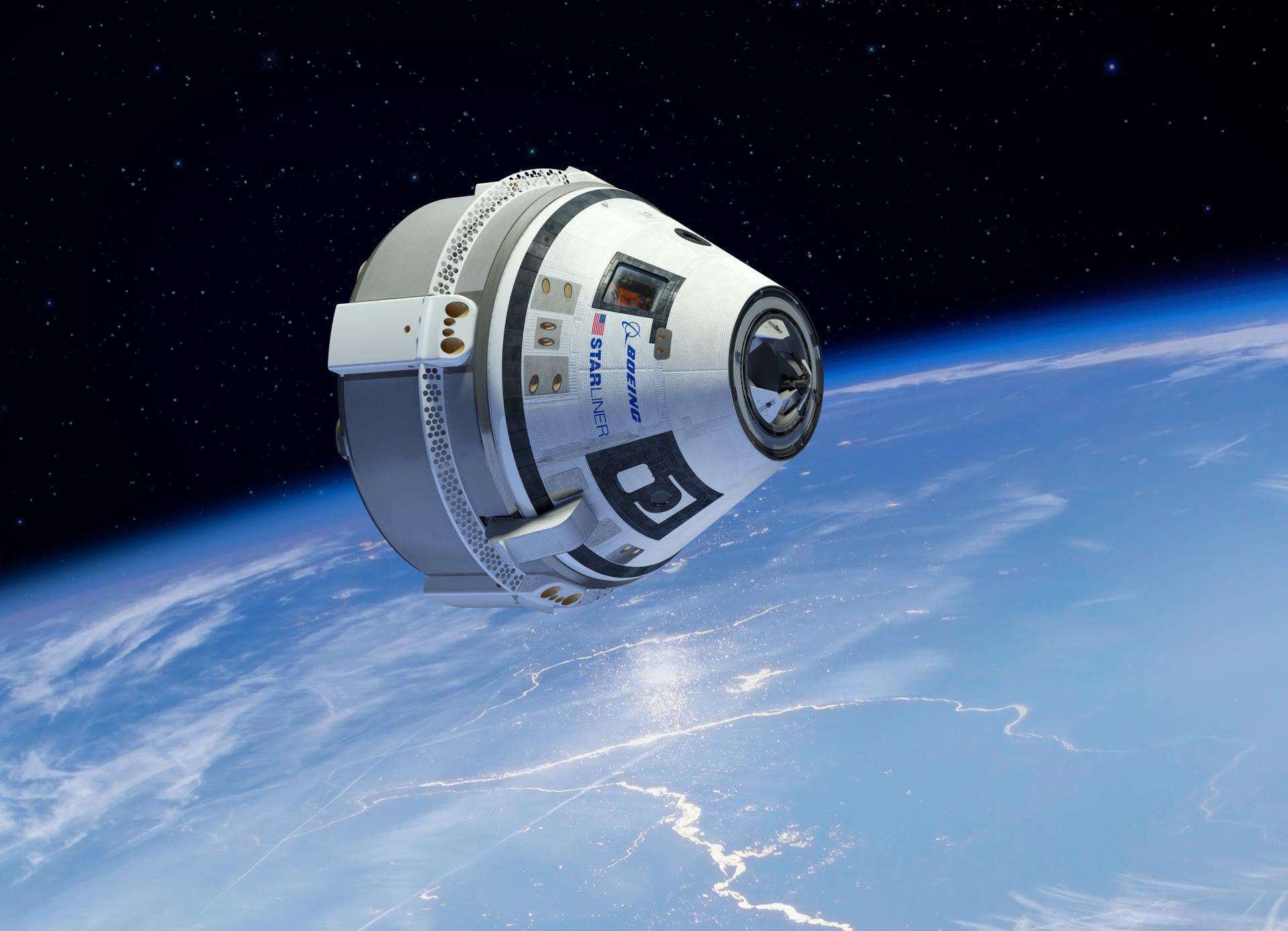
Boeing Starliner-1 Docking
Docking
The Starliner-1 spacecraft will dock autonomously to the International Space Station, carrying four astronauts to the International Space Station.
Boeing Starliner-1 Landing
Spacecraft Landing
Following its deorbit burn, the Boeing CST-100 Starliner will reenter the Earth's atmosphere and land at the White Sands Missile Range using its parachutes.