
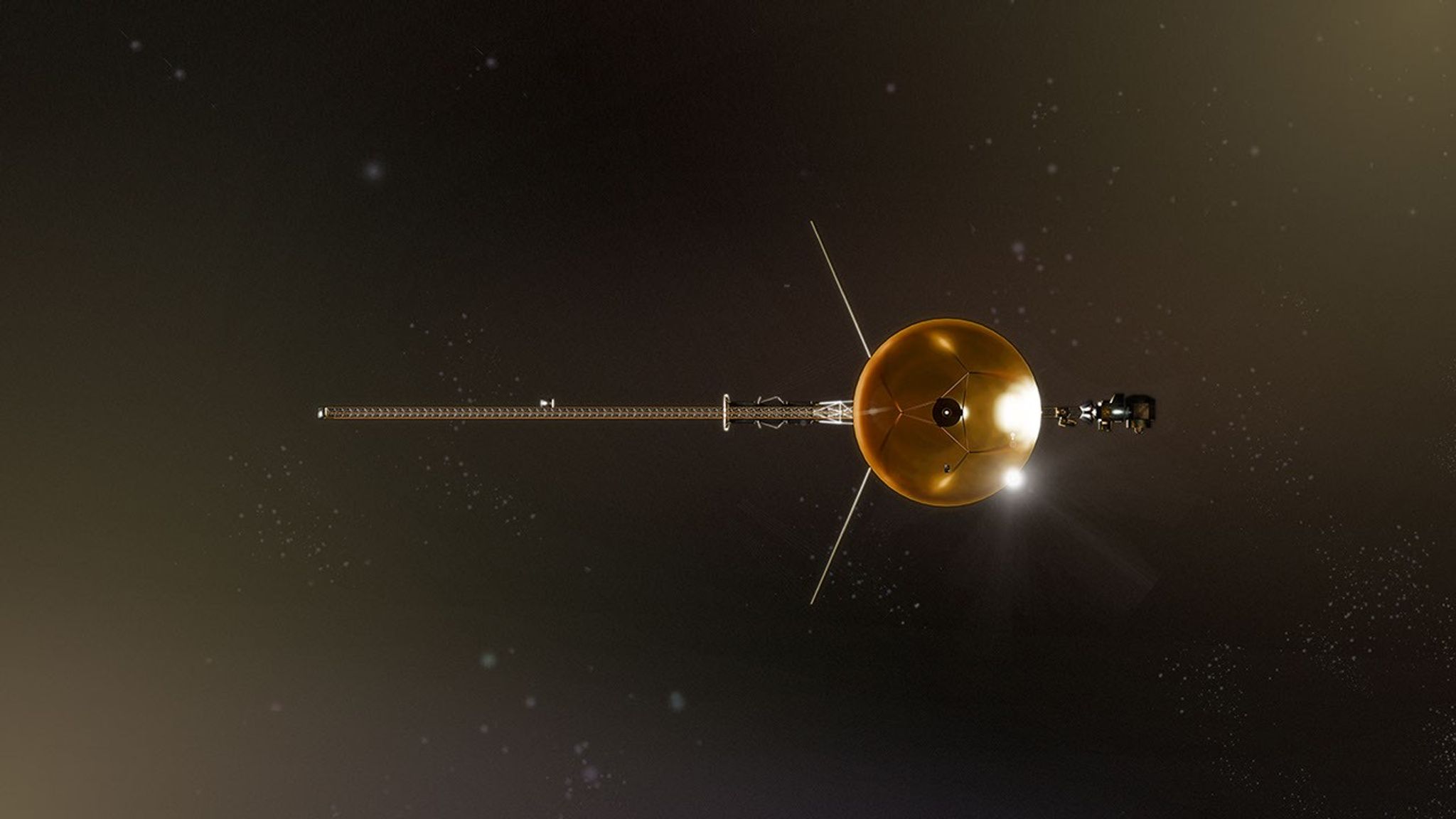
Voyager 1 Light-Day Mission Update
Press Event
Launched nearly 50 years ago in 1977, NASA’s Voyager 1 on Wednesday, Nov. 18 will have traveled one light-day from Earth, which is more than 16 billion miles (25.9 billion kilometers). Voyager 1 is the most distant human-made object, and any light from Earth would take 24 hours to reach the spacecraft. NASA’s Jet Propulsion Laboratory (JPL) in Southern California will host a moderated discussion with mission members and NASA leadership about the status of Voyager 1 and 2, the unique science the twin probes continue to gather in interstellar space, and the challenges of keeping the spacecraft operating for so long over such vast distances. A Q&A with media and other audience members will follow. In addition, there also will be a preview of the upcoming NASA+ Voyager documentary, planned for release in 2027 for the mission’s 50th anniversary. The participants will be: - Nicky Fox, associate administrator, Science Mission Directorate, Washington - Jonathan Lunine, chief scientist, NASA JPL, and professor of planetary science, Caltech - Suzanne Dodd, Voyager project manager, NASA JPL - Linda Spilker, Voyager project scientist, NASA JPL - Kareem Badaruddin, Voyager mission manager, NASA JPL - Jamie Rankin, Voyager deputy project scientist, Princeton University
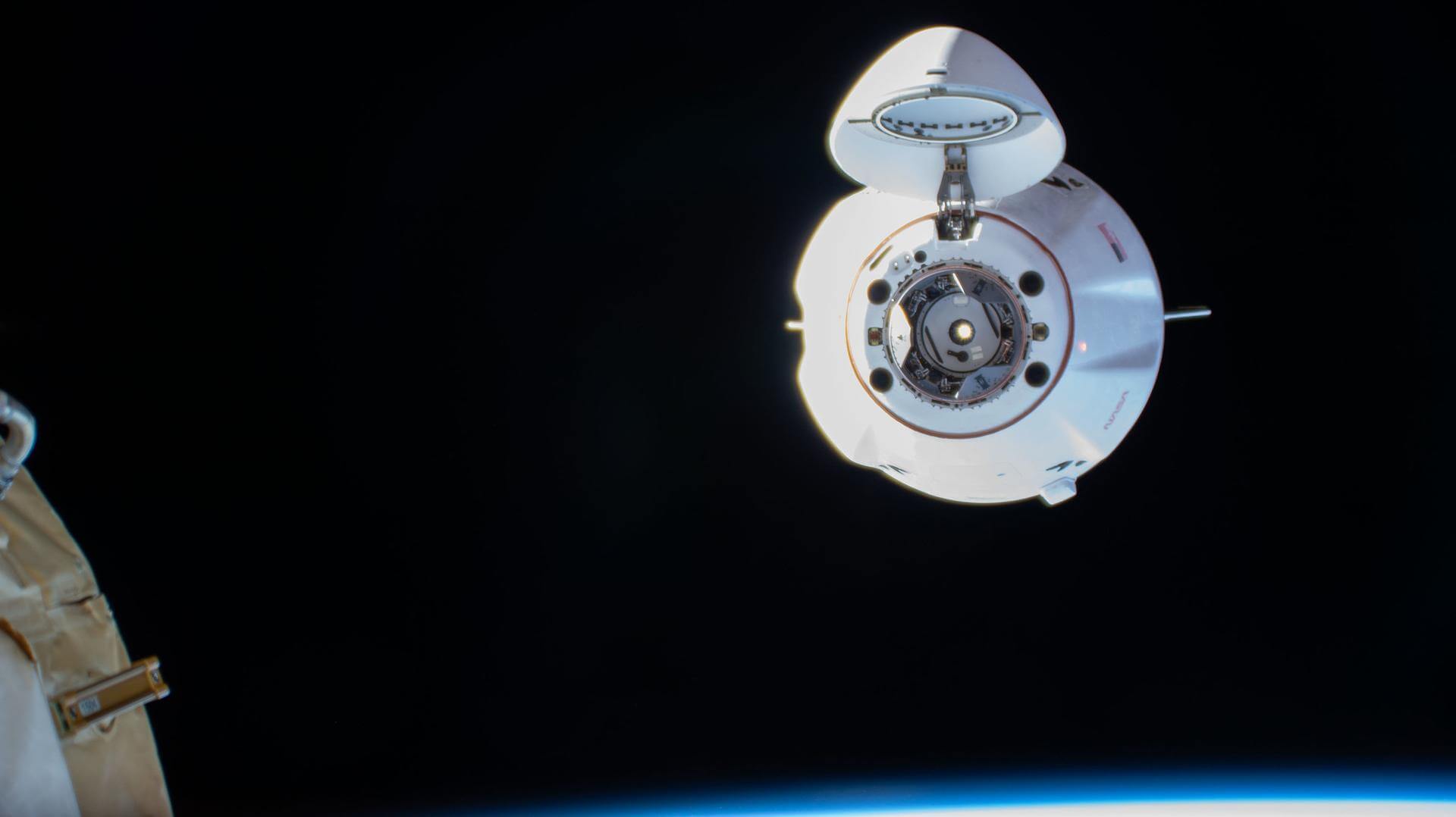
SpaceX CRS-35 Dragon Undocking
Spacecraft Undocking
The SpaceX CRS-35 Dragon spacecraft will undock from the International Space Station ahead of its reentry, splashdown and recovery.
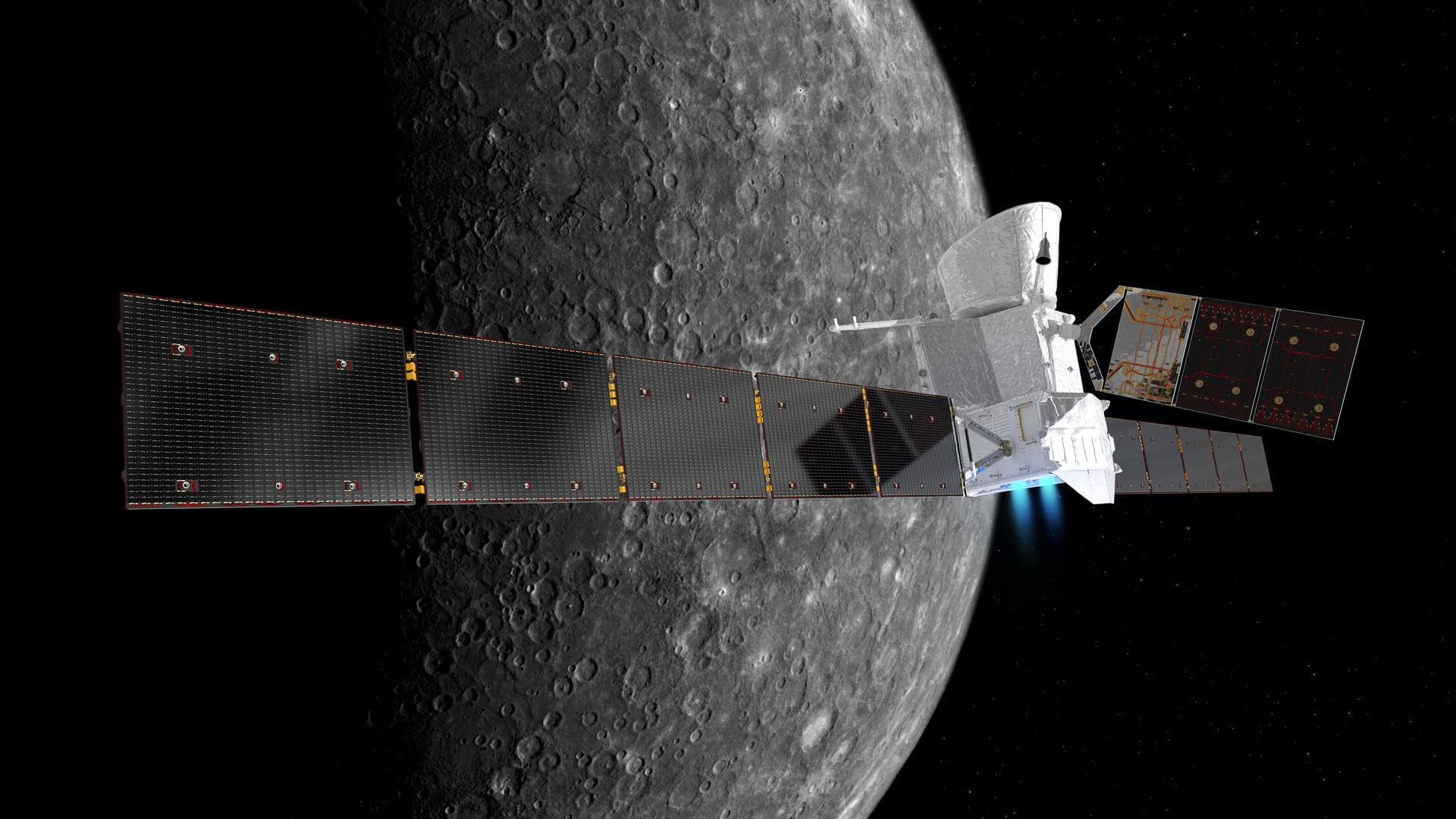
BepiColombo Mercury Orbit Insertion
Orbital Insertion
Orbital insertion around Mercury of the ESA-JAXA BepiColombo mission.
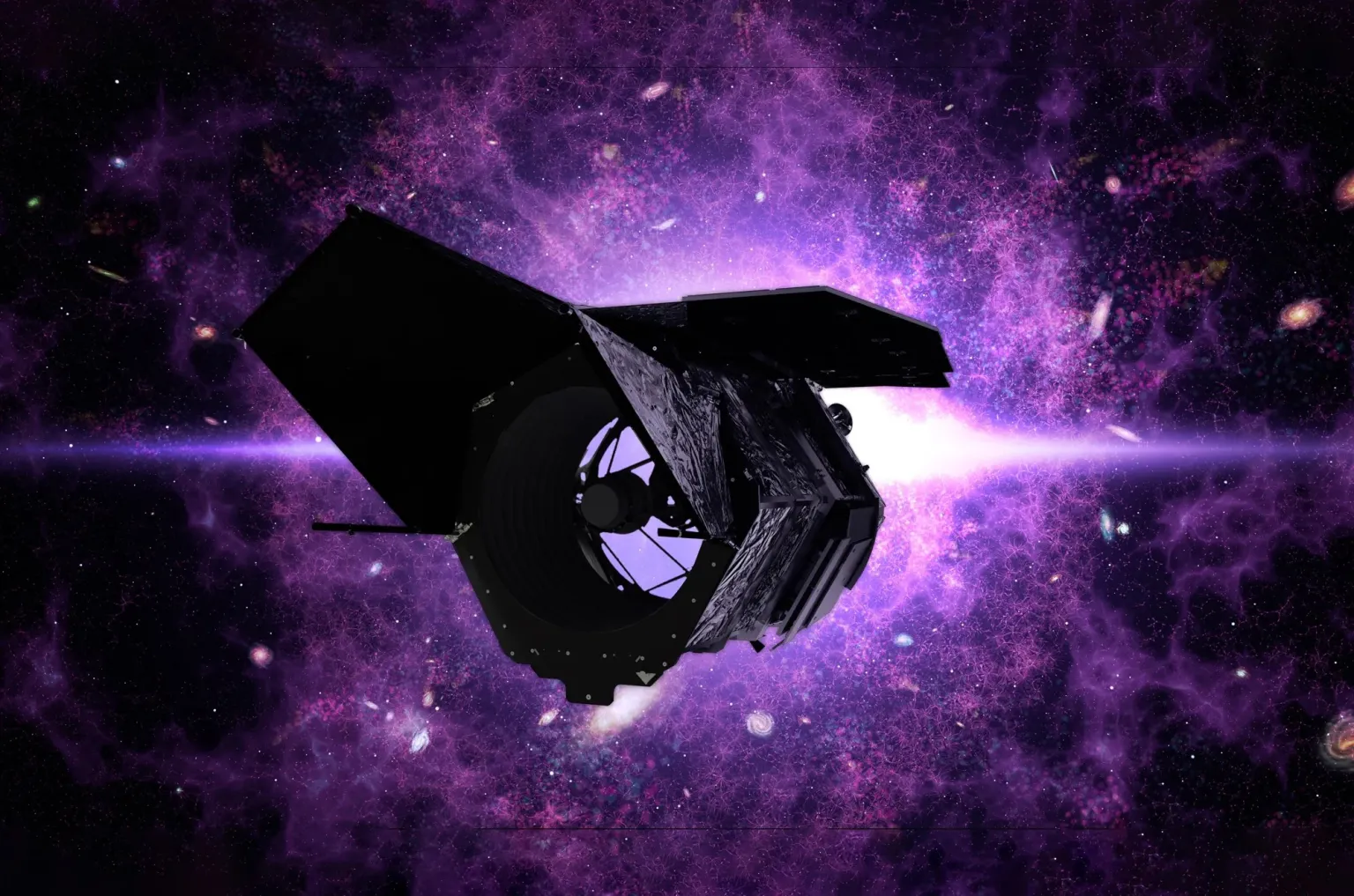
NASA Roman First Images Reveal
Press Event
NASA will release the first images from its Nancy Grace Roman Space Telescope during a live stream from the American Geophysical Union (AGU) Annual Meeting in San Francisco. The images will showcase the unique scientific capabilities of Roman, which will soon capture deep, panoramic, never-before-seen views of the universe to explore the mysteries of dark energy, dark matter, and worlds outside our solar system.
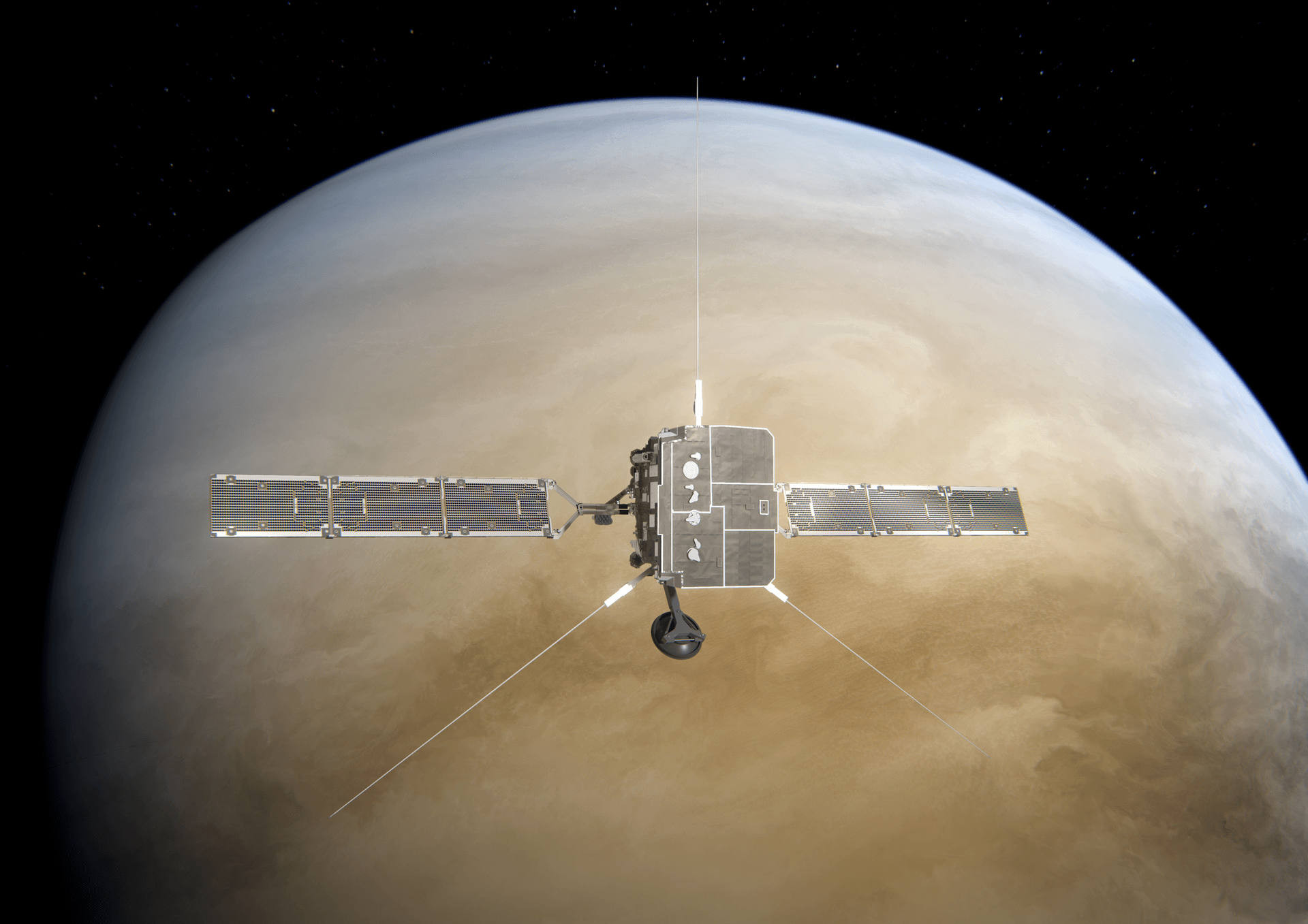
Solar Orbiter Venus Flyby
Flyby
Solar Orbiter, a partnership between ESA and NASA, will perform a gravity assist maneuver with Venus on December 24, 2026. Throughout its mission it also makes repeated gravity assist flybys of Venus to get closer to the Sun, and to change its orbital inclination, boosting it out of the ecliptic plane, to get the best – and first – views of the Sun’s poles.
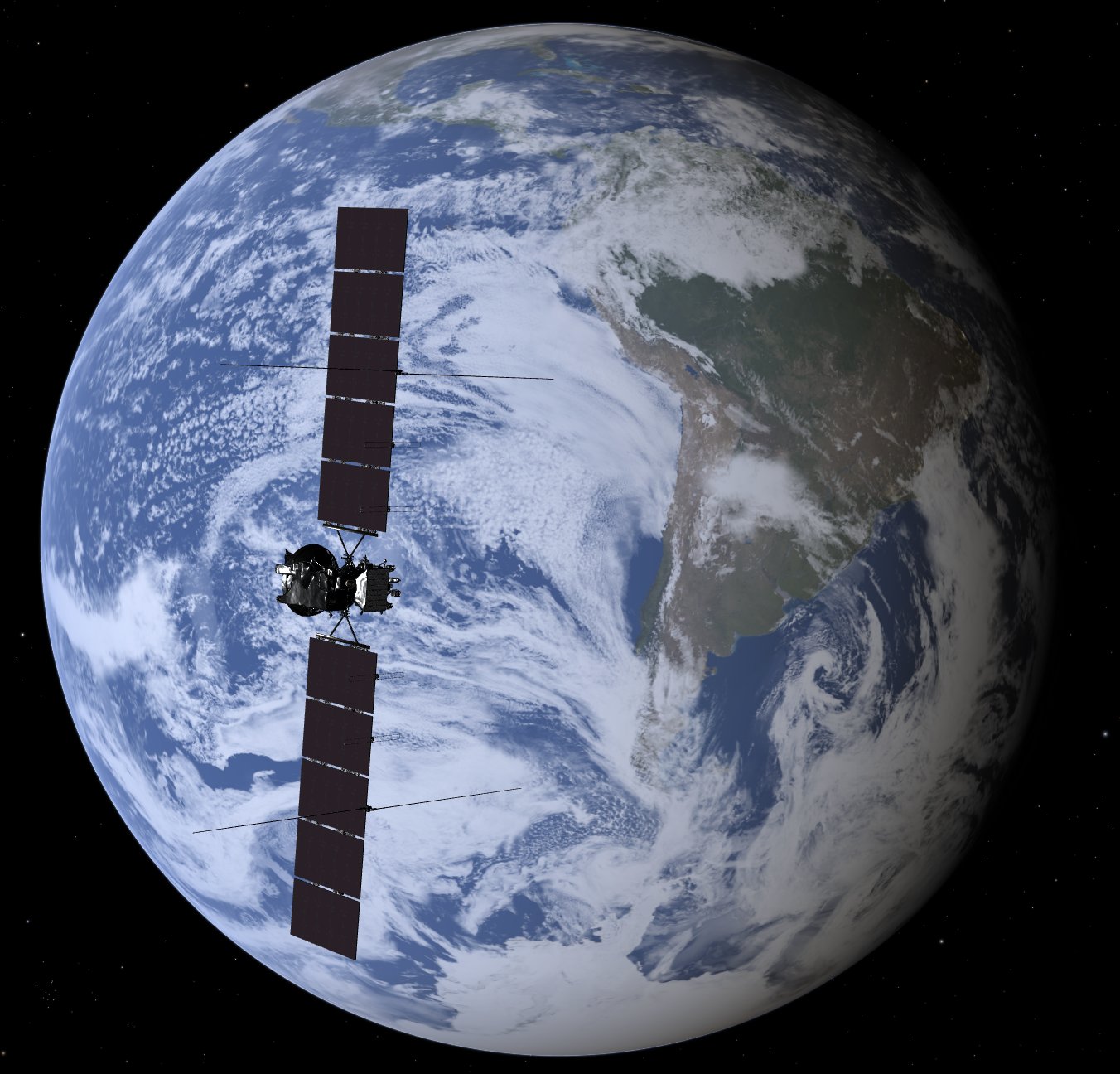
Europa Clipper Earth Flyby
Flyby
NASA’s Europa Clipper will fly by Earth for a second and final gravity assist on its way to Jupiter.
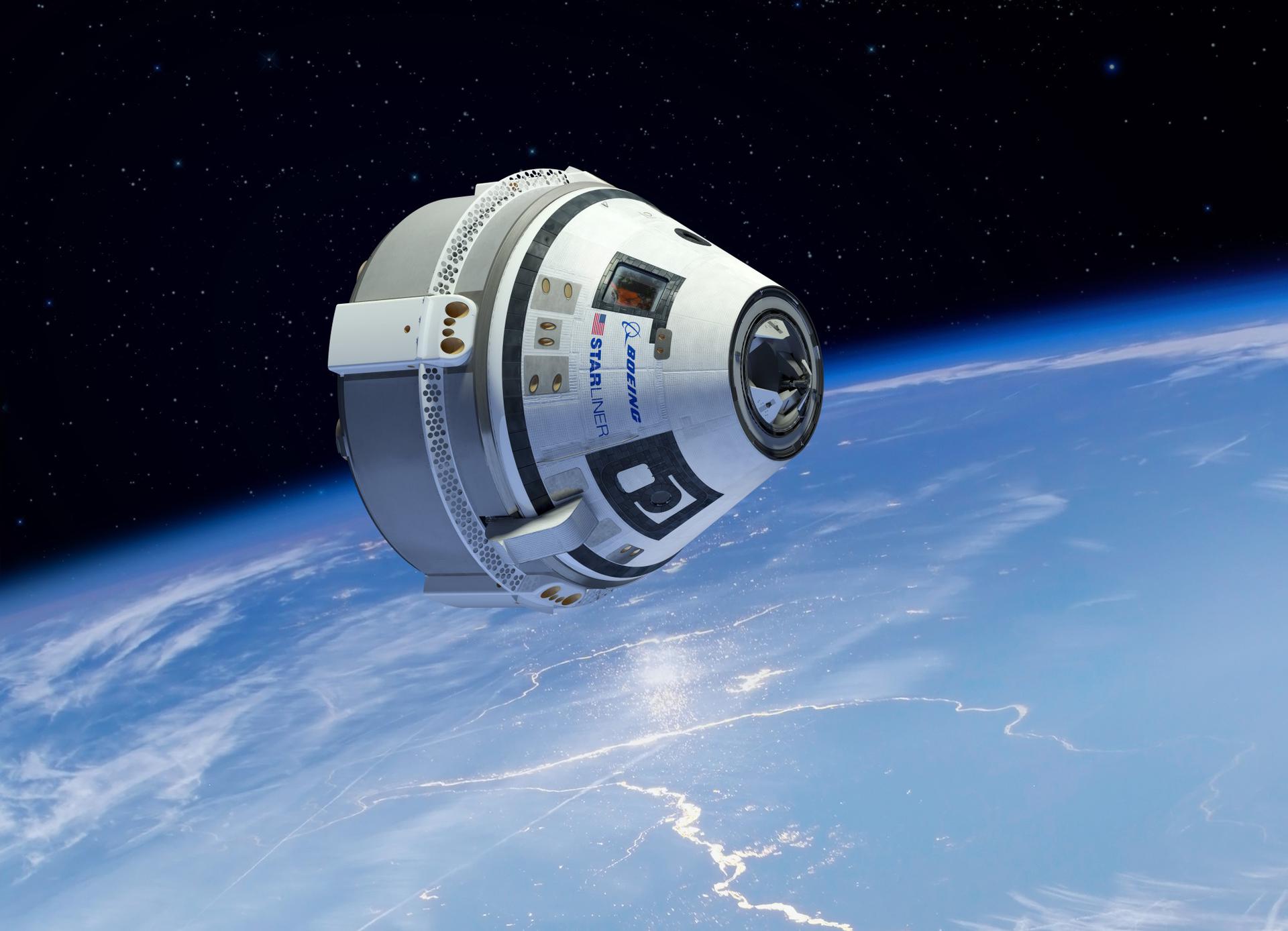
Boeing Starliner-1 Docking
Docking
The Starliner-1 spacecraft will dock autonomously to the International Space Station, carrying four astronauts to the International Space Station.
Boeing Starliner-1 Landing
Spacecraft Landing
Following its deorbit burn, the Boeing CST-100 Starliner will reenter the Earth's atmosphere and land at the White Sands Missile Range using its parachutes.
Boeing Starliner-1 Undocking
Spacecraft Undocking
The Boeing CST-100 Starliner will undock from the International Space Station and conduct a deorbit burn as part of its first operational mission. Following the deorbit burn the capsule will renter the Earth's atmosphere and land at the 'White Sands Missile Range' using its parachutes.
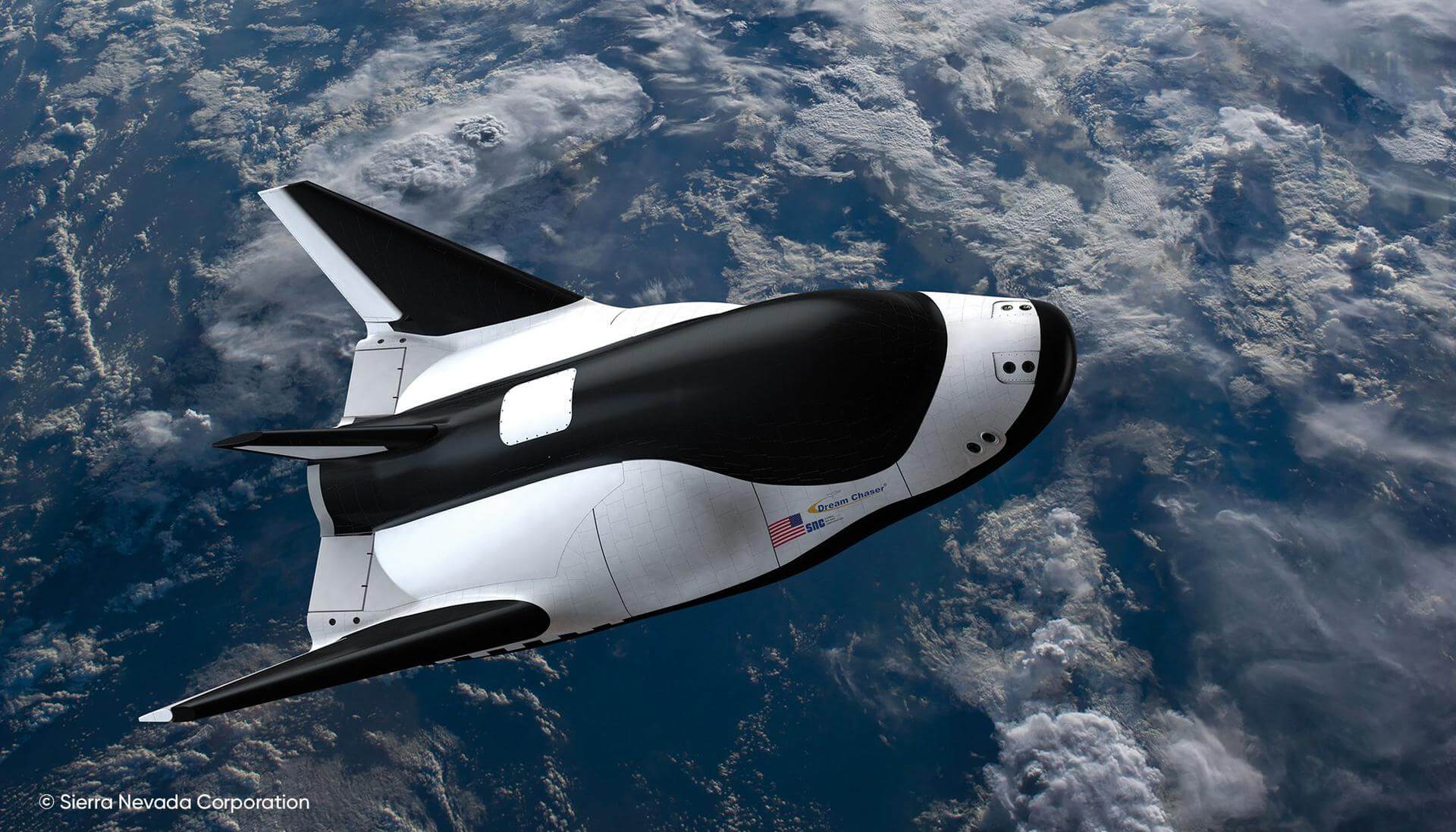
SNC-1 Dream Chaser Berthing
Spacecraft Berthing
NASA TV will livestream the rendezvous and capture of Sierra Nevada Corporation's Dream Chaser cargo craft to the International Space Station.