Ultime Notizie

Rimani aggiornato sugli ultimi eventi del volo spaziale.

Ultime Notizie

NASA on Track for Future Missions with Initial Artemis II Assessments
NASA

NASA on Track for Future Missions with Initial Artemis II Assessments

Following NASA’s Artemis II mission successfully splashing down on Earth, engineers started diving into detailed analysis of data to assess how key systems and subsystems on the Orion spacecraft, SLS (Space Launch System) rocket, and systems at the launch pad at the agency’s Kennedy Space Center in Florida performed. The Artemis II test flight successfully […]

Leggi di più →
NASA Rolls Out Artemis III Moon Rocket Core Stage
NASA

NASA Rolls Out Artemis III Moon Rocket Core Stage

Following the recent successful test flight of NASA’s Artemis II mission around the Moon, NASA rolled out the core stage, or the largest section, of the agency’s SLS (Space Launch System) rocket that will launch the crewed Artemis III mission in 2027. The stage departed from the agency’s Michoud Assembly Facility in New Orleans on […]

Leggi di più →
NASA Invites Media to SpaceX’s 34th Resupply Launch to Space Station
NASA

NASA Invites Media to SpaceX’s 34th Resupply Launch to Space Station

Media accreditation is open for the next U.S. launch to deliver NASA science investigations, supplies, and equipment to the International Space Station. This launch is the 34th SpaceX Commercial Resupply Services mission to the orbital laboratory for NASA and will lift off on the company’s Falcon 9 rocket. NASA and SpaceX are targeting no earlier […]

Leggi di più →

Prossimi Lanci

Vedi Tutti →
Go for Launch

Falcon 9 Block 5 | GPS III SV10

SpaceX
Tipo Missione Navigation
Orbita Medium Earth Orbit
Pad Space Launch Complex 40, Cape Canaveral SFS, FL, USA
Go for Launch

HASTE | Bubbles

Rocket Lab
Tipo Missione Government/Top Secret
Orbita Suborbital
Pad Rocket Lab Launch Complex 2 (Launch Area 0 C), Wallops Flight Facility, Virginia, USA
Go for Launch

Falcon 9 Block 5 | Starlink Group 17-14

SpaceX
Tipo Missione Communications
Orbita Low Earth Orbit
Pad Space Launch Complex 4E, Vandenberg SFB, CA, USA

Prossimi Eventi

Vedi Tutti →

Stazioni Spaziali Attive

Vedi Tutti →
International Space Station

International Space Station

Stato: Active Orbita: Low Earth Orbit

Fondazione: 1998-11-20

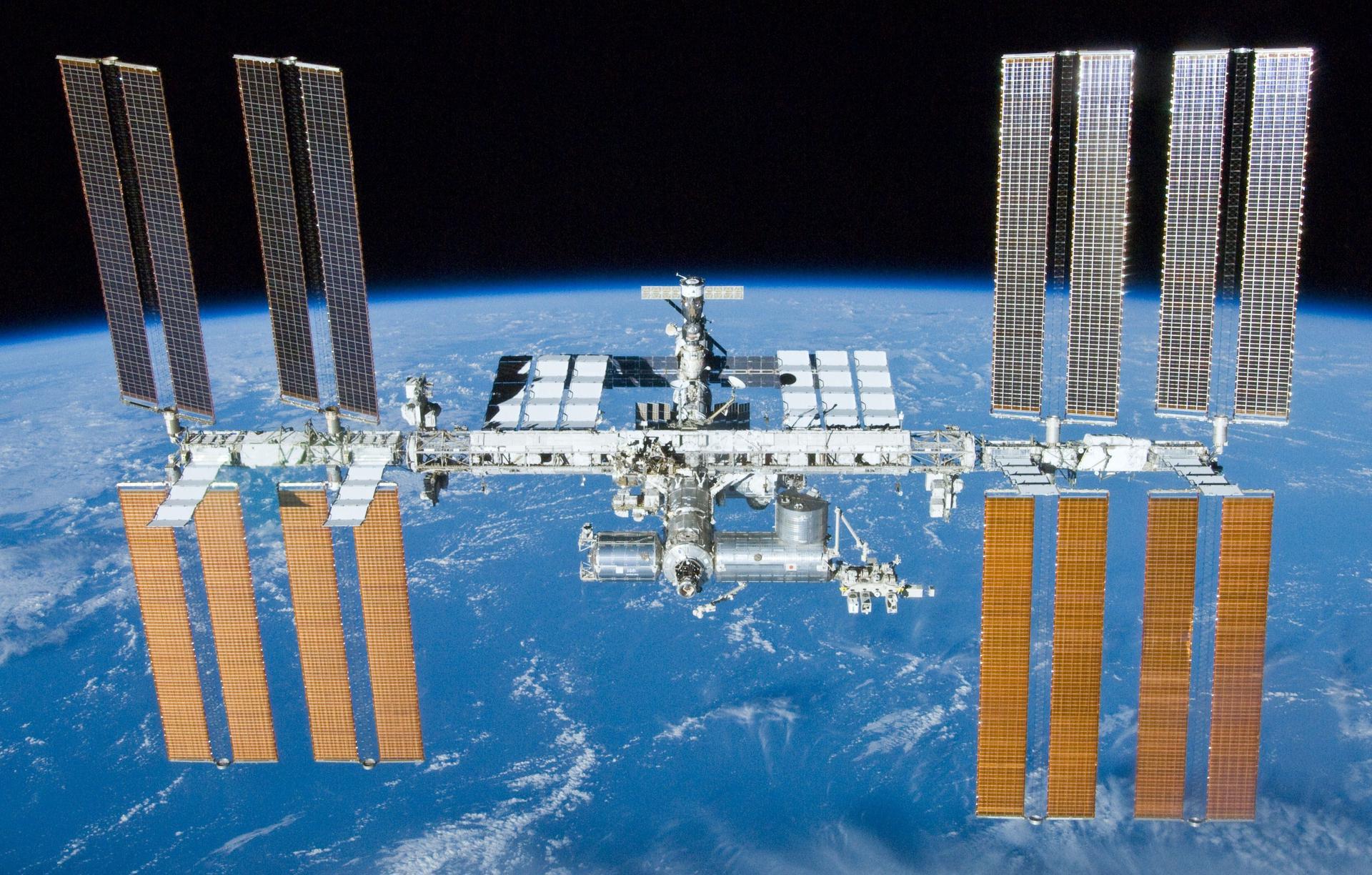
The International Space Station (ISS) is a space station, or a habitable artificial satellite, in low Earth orbit. Its first component was launched into orbit in 1998, with the first long-term residents arriving in November 2000. It has been inhabited continuously since that date. The last pressurised module was fitted in 2011, and an experimental inflatable space habitat was added in 2016. The station is expected to operate until 2030. Development and assembly of the station continues, with several new elements scheduled for launch in 2019. The ISS is the largest human-made body in low Earth orbit and can often be seen with the naked eye from Earth. The ISS consists of pressurised habitation modules, structural trusses, solar arrays, radiators, docking ports, experiment bays and robotic arms. ISS components have been launched by Russian Proton and Soyuz rockets, and American Space Shuttles.

CSAESAJAXANASARFSA

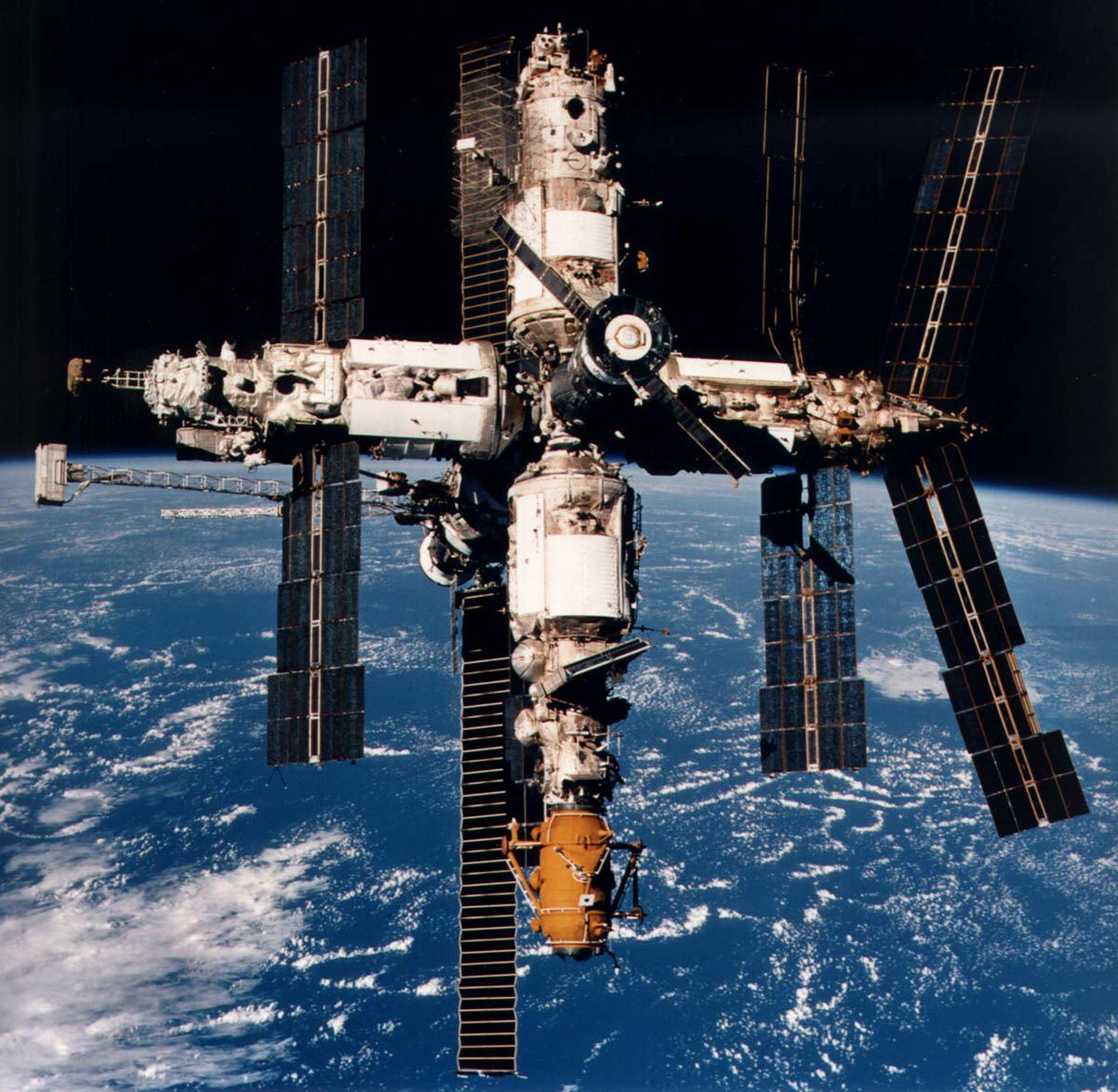
Mir

Mir

Stato: De-Orbited Orbita: Low Earth Orbit

Fondazione: 1986-02-20

Mir was a space station that operated in low Earth orbit from 1986 to 2001, operated by the Soviet Union and later by Russia. Mir was the first modular space station and was assembled in orbit from 1986 to 1996. The station served as a microgravity research laboratory in which crews conducted experiments in biology, human biology, physics, astronomy, meteorology and spacecraft systems with a goal of developing technologies required for permanent occupation of space.

RFSA
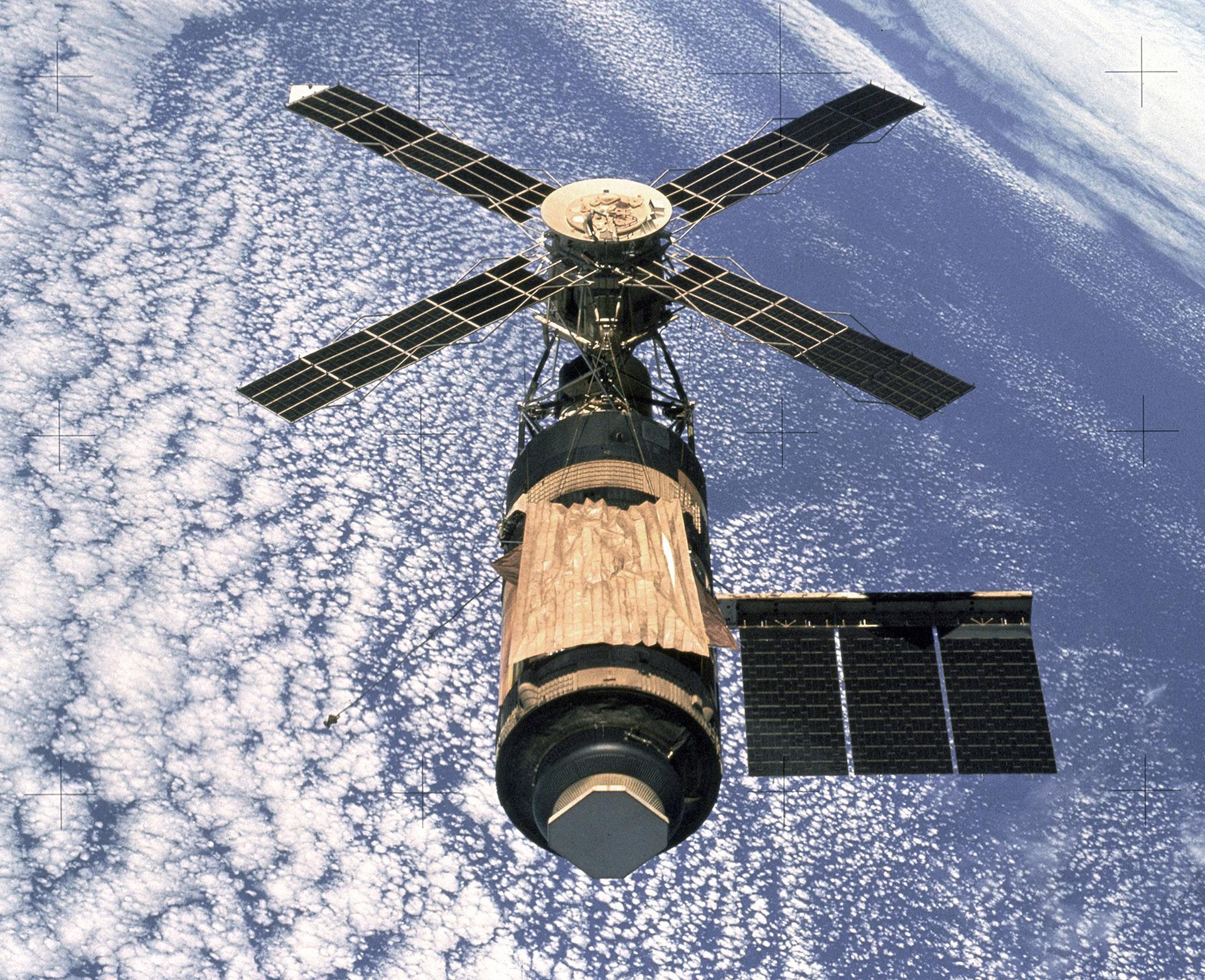
Skylab

Skylab

Stato: De-Orbited Orbita: Low Earth Orbit

Fondazione: 1973-05-14

Skylab was a United States space station launched and operated by NASA, and occupied for about 24 weeks between May 1973 and February 1974 – the only space station the U.S. has operated exclusively. In 1979 it fell back to Earth amid huge worldwide media attention. Skylab included a workshop, a solar observatory, and other systems necessary for crew survival and scientific experiments. It was launched unmanned by a modified Saturn V rocket, with a weight of 170,000 pounds (77,000 kg). Lifting Skylab into low earth orbit was the final mission and launch of a Saturn V rocket (famous for carrying the manned Moon landing missions). Three missions delivered three-astronaut crews in the Apollo command and service module (Apollo CSM), launched by the smaller Saturn IB rocket. For the final two manned missions to Skylab, a backup Apollo CSM/Saturn IB was assembled and made ready in case an in-orbit rescue mission was needed, but this backup vehicle was never flown.

NASA