
Vulcan VC4S | USSF-87
United Launch Alliance
Mission Status
The launch vehicle successfully inserted its payload(s) into the target orbit(s).
Mission Updates
Launch success.
Source →Liftoff!
Source →Official Webcast by United Launch Alliance has started
Source →New T-0 09:22 UTC
Source →Updated launch weather, 95% GO.
Source →Updated launch weather, 95% GO.
Source →Updated launch window.
Source →Added launch window.
Source →Delayed to NET February 12.
Source →Changed rocket configuration.
Source →NET February 2.
Source →NET January.
Source →No more ULA (Vulcan) launches for 2025.
Source →NET early 2025.
Source →NET late 2024.
Source →Reportedly targeting December
Source →NET late 2024.
Source →Mission Details
USSF-87 will launch two identical Geosynchronous Space Situational Awareness Program (GSSAP) satellites GSSAP-7 and GSSAP-8 directly to a near-geosynchronous orbit approximately 36,000 km above the equator. Data from the GSSAP will uniquely contribute to timely and accurate orbital predictions, further enabling space flight safety including satellite collision avoidance.
Rocket Configuration
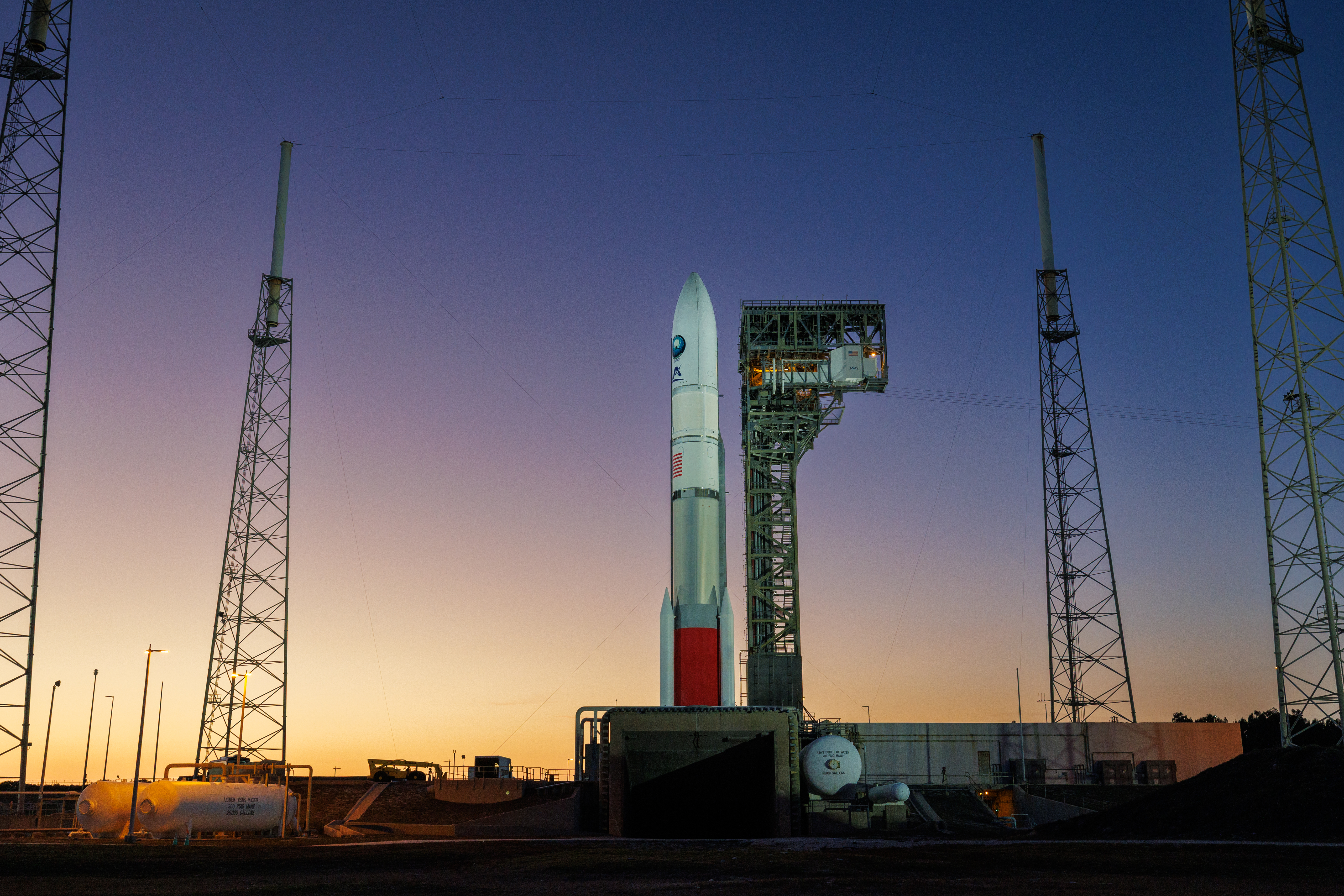
Vulcan Centaur is a two-stage-to-orbit, heavy-lift launch vehicle under development by United Launch Alliance (ULA) since 2014. It is principally designed to meet launch demands for the U.S. government's National Security Space Launch (NSSL) program for use by the United States Space Force and U.S. intelligence agencies for national security satellite launches. It will replace both of ULA's existing launchers (Atlas V and Delta IV Heavy) in this role, as these launchers are retiring.