
Electron | The Grain Goddess Provides (iQPS Launch 7)
Rocket Lab
Mission Status
Current date is a placeholder or rough estimation based on unreliable or interpreted sources.
Mission Updates
Scrubbed for the day.
Source →Abort at ignition.
Source →New T-0.
Source →Official Webcast by Rocket Lab has started
Source →Updated launch pad (per video).
Source →New T-0.
Source →Launch delayed due to weather at the launch site.
Source →GO for launch.
Source →Delayed to June.
Source →NET May 2026.
Source →Added launch.
Source →Mission Details
Synthetic aperture radar Earth observation satellite for Japanese Earth imaging company iQPS.
Rocket Configuration
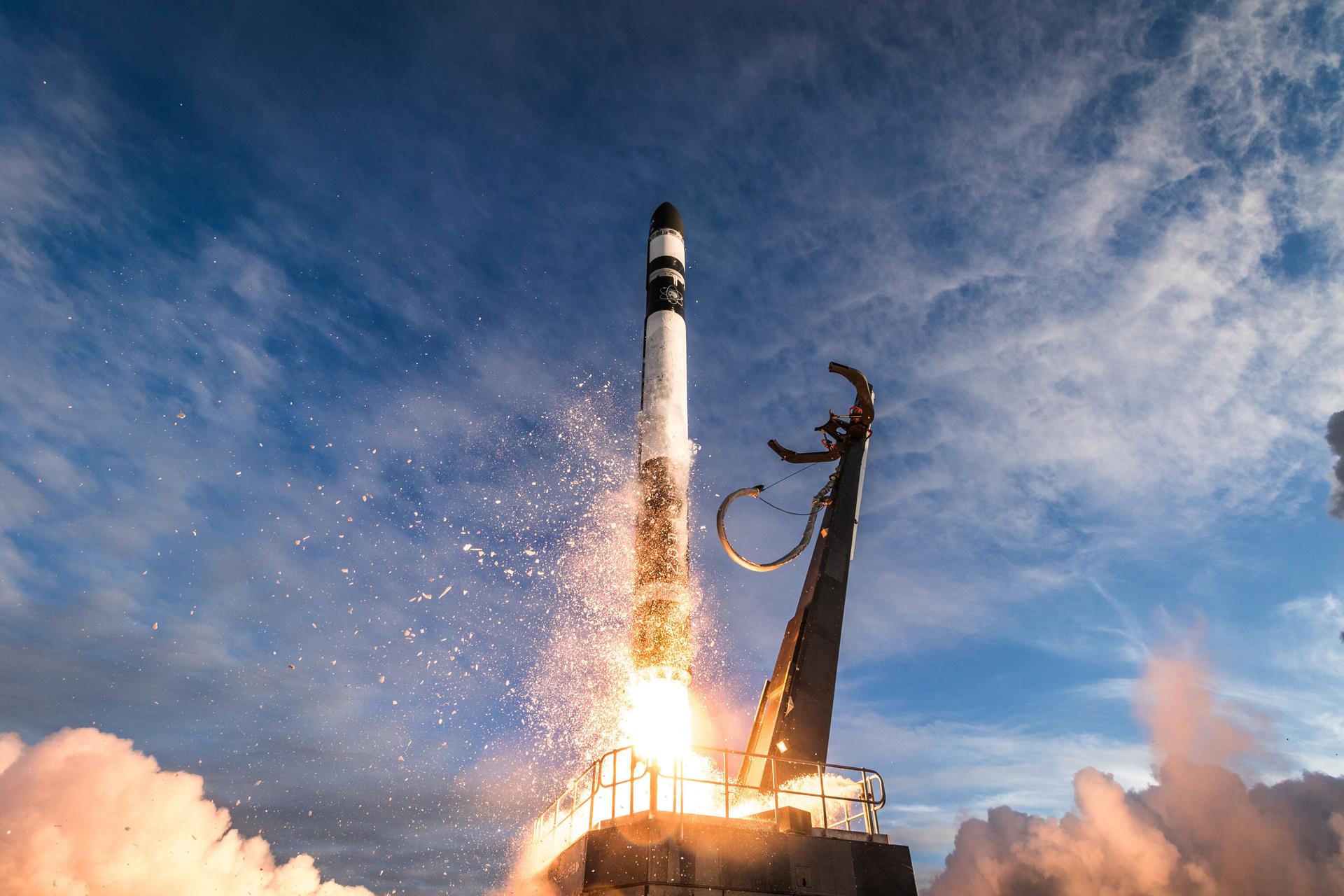
Electron is a two-stage orbital expendable launch vehicle (with an optional third stage) developed by the American aerospace company Rocket Lab. Electron is a small-lift launch vehicle designed to launch small satellites and cubesats to sun-synchronous orbit and low earth orbit. The Electron is the first orbital class rocket to use electric-pump-fed engines, powered by the 9 Rutherford engines on the first stage. It is also used as a suborbital testbed (called HASTE) for hypersonics research.