
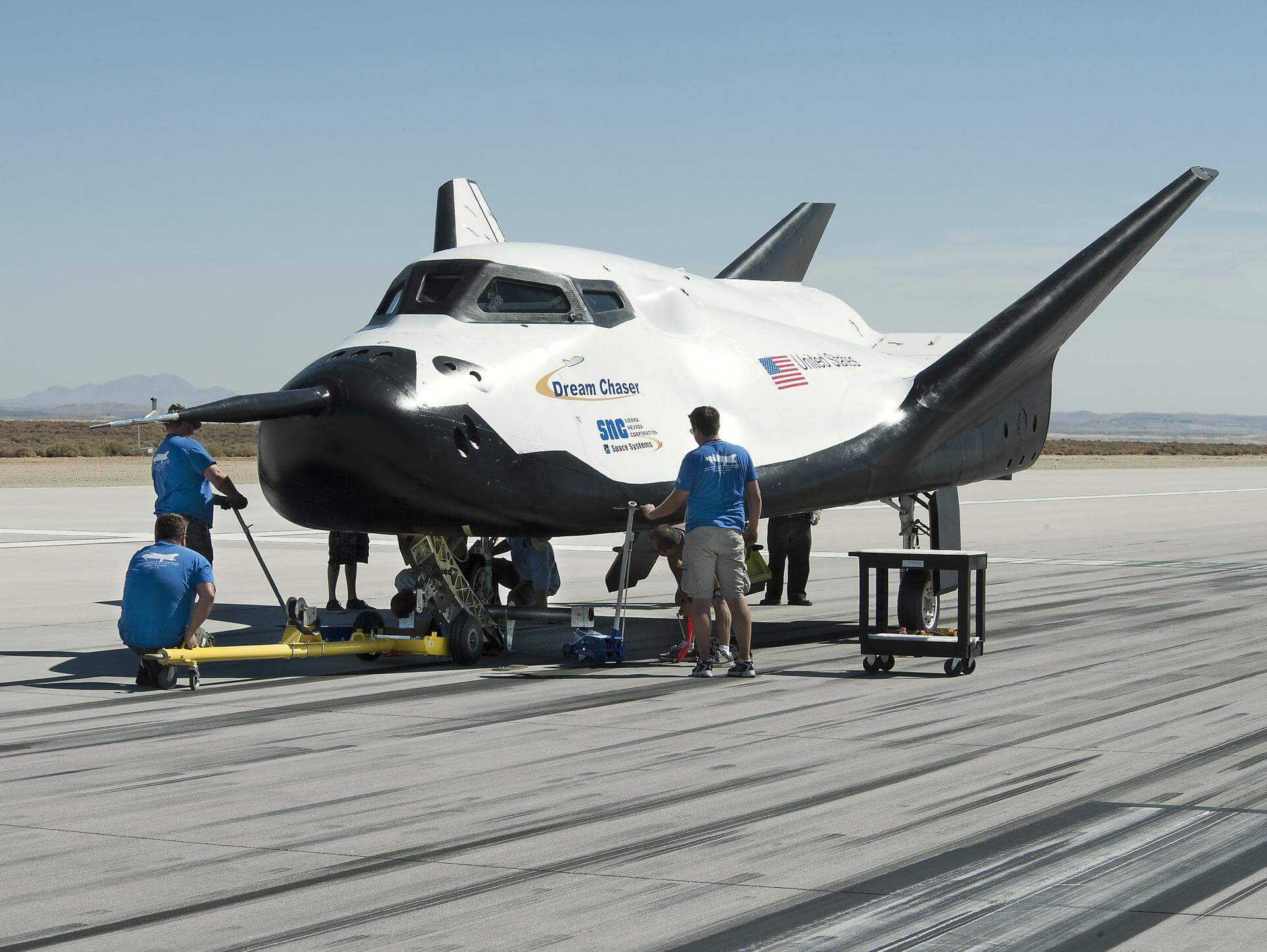
SNC-1 Dream Chaser Landing
Spacecraft Landing
The Sierra Nevada Corporation SNC-1 Dream Chaser will land autonomously at the Launch and Landing Facility of Kennedy Space Center.
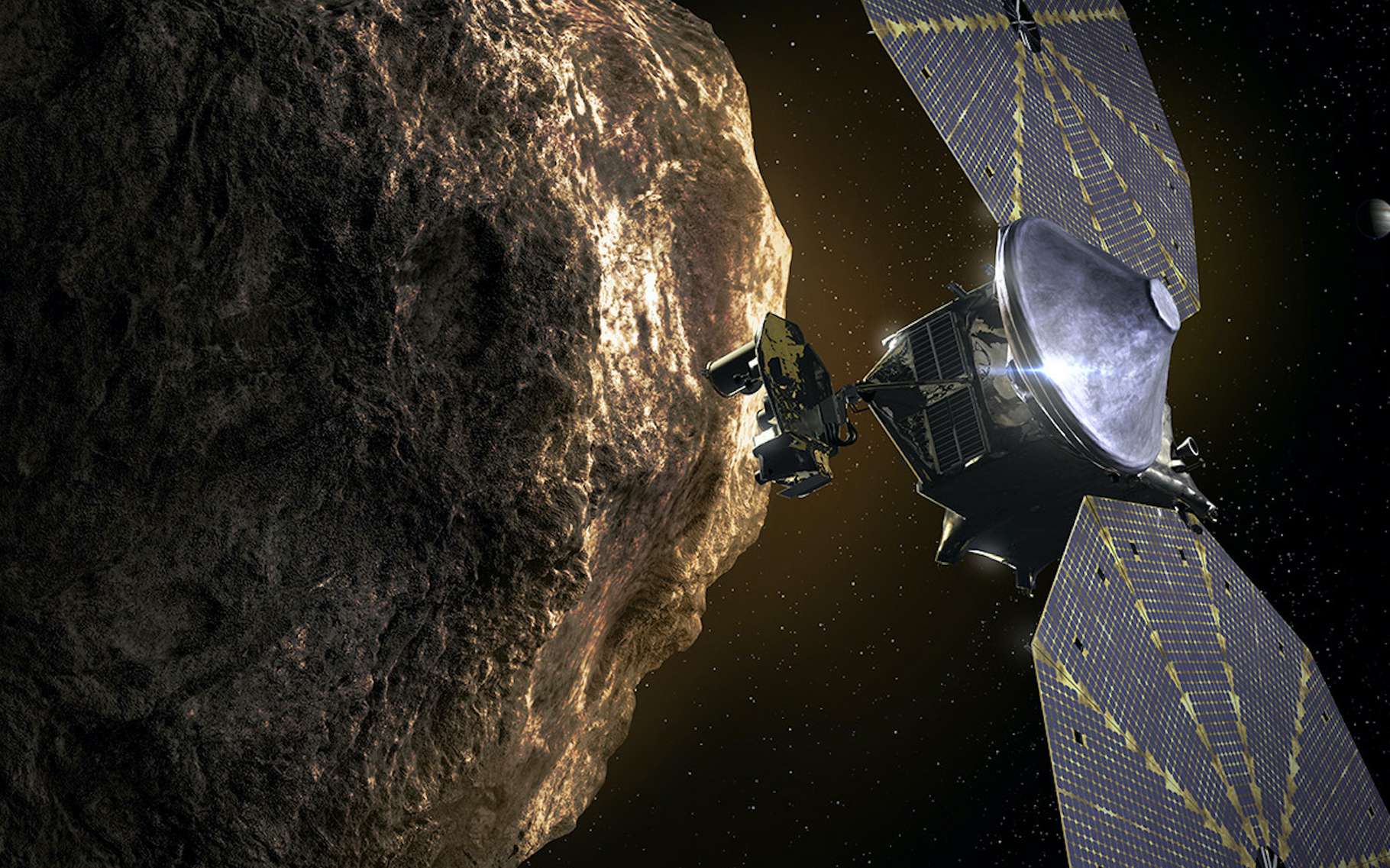
Lucy Trojan Asteroid (3548) Eurybates & Queta Flyby
Flyby
Flyby of the Trojan asteroid (3548) Eurybates and its satellite Queta by NASA's Lucy mission.
Lucy Trojan Asteroid (15094) Polymele Flyby
Flyby
Flyby of the Trojan asteroid (15094) Polymele by NASA's Lucy mission.

Hayabusa2 Earth Flyby
Flyby
As part of its mission extension, JAXA's Hayabusa2 spacecraft will fly by Earth on its way to asteroid 1998 KY26.
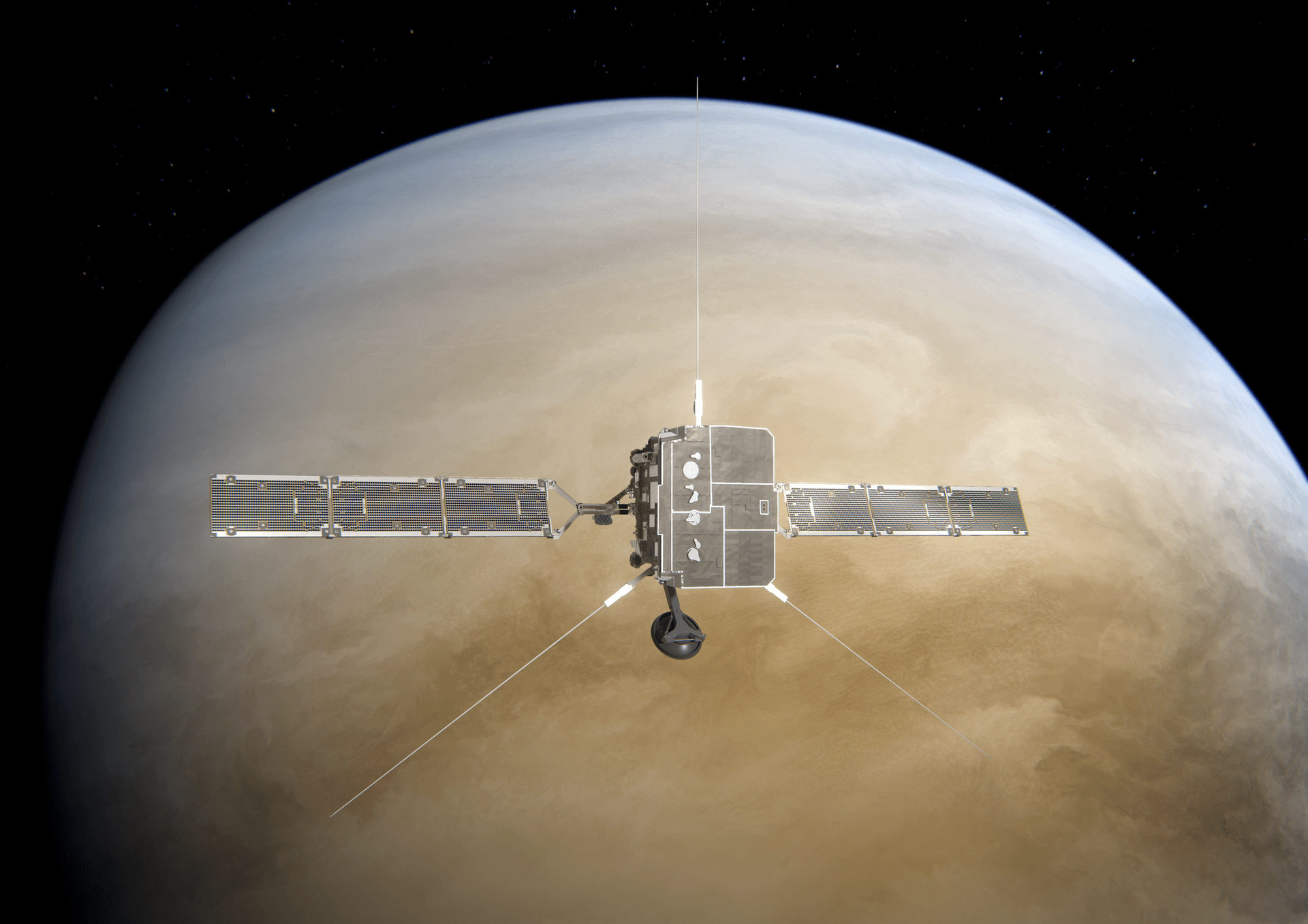
Solar Orbiter Venus Flyby
Flyby
Solar Orbiter, a partnership between ESA and NASA, will perform a gravity assist maneuver with Venus on March 17, 2028. Throughout its mission it also makes repeated gravity assist flybys of Venus to get closer to the Sun, and to change its orbital inclination, boosting it out of the ecliptic plane, to get the best – and first – views of the Sun’s poles.
Lucy Trojan Asteroid (11351) Leucus Flyby
Flyby
Flyby of the Trojan asteroid (11351) Leucus by NASA's Lucy mission.
Hayabusa2 Earth Flyby
Flyby
As part of its mission extension, JAXA's Hayabusa2 spacecraft will fly by Earth on its way to asteroid 1998 KY26.
Lucy Trojan Asteroid (21900) Orus Flyby
Flyby
Flyby of the Trojan asteroid (21900) Orus by NASA's Lucy mission.
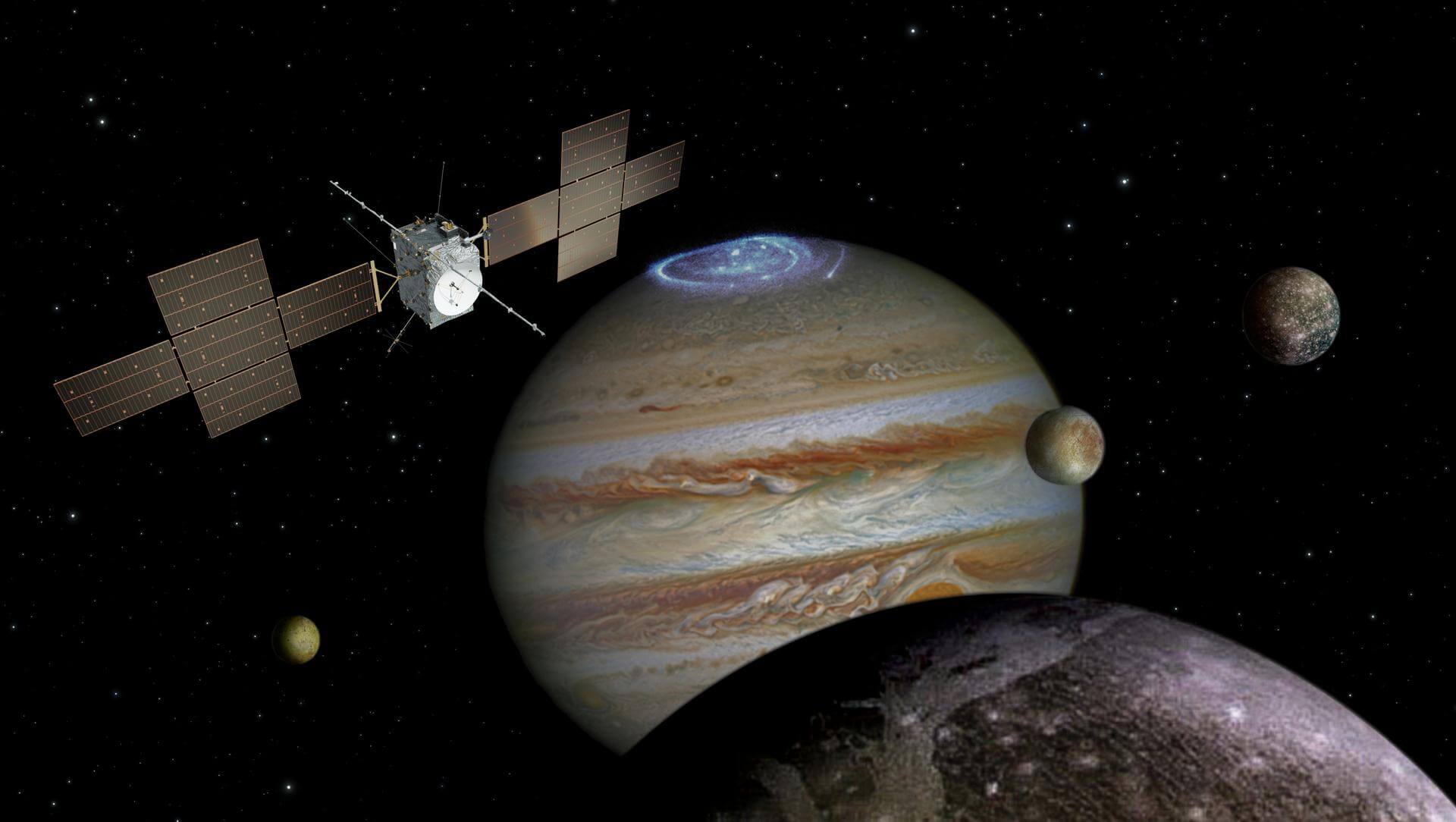
Juice Earth Flyby
Flyby
Fourth flyby of ESA's Jupiter Icy Moons Explorer (Juice) mission on its way to the Jovian system.
Solar Orbiter Venus Flyby
Flyby
Solar Orbiter, a partnership between ESA and NASA, will perform a gravity assist maneuver with Venus on June 10, 2029. Throughout its mission it also makes repeated gravity assist flybys of Venus to get closer to the Sun, and to change its orbital inclination, boosting it out of the ecliptic plane, to get the best – and first – views of the Sun’s poles.